Every dental chair, X-ray machine, and autoclave in a practice represents more than a clinical necessity, it also plays a role in shaping your tax position. For dental professionals, understanding how Capital Cost Allowance (CCA) applies to equipment can make a meaningful difference in annual tax obligations with the CRA.
Different classes of dental assets, along with incentives such as the Accelerated Investment Incentive (AII), can significantly affect how quickly costs are deducted and how much tax is ultimately payable. Knowing how to structure and time these purchases allows practices to manage cash flow more effectively while staying compliant and strategic.
What Is Capital Cost Allowance for Dental Equipment?
Capital Cost Allowance (CCA) is the CRA’s method of allowing businesses to deduct the cost of capital assets over time. Rather than claiming the full cost of a major purchase in a single year, a portion of the asset’s value is deducted annually using the declining balance method.
For dental equipment, deductions are generally spread over several years, although certain tax rules may allow for larger deductions in the year of purchase.CCA is claimed on Form T2125 for sole proprietors or through a corporate tax return if the practice operates through a dental professional corporation.
Which CCA Class Applies to Your Dental Equipment?
Not all dental assets are treated the same for tax purposes. The CRA assigns different types of property to specific classes, each with its own depreciation rate.
Class 8 — 20% Rate
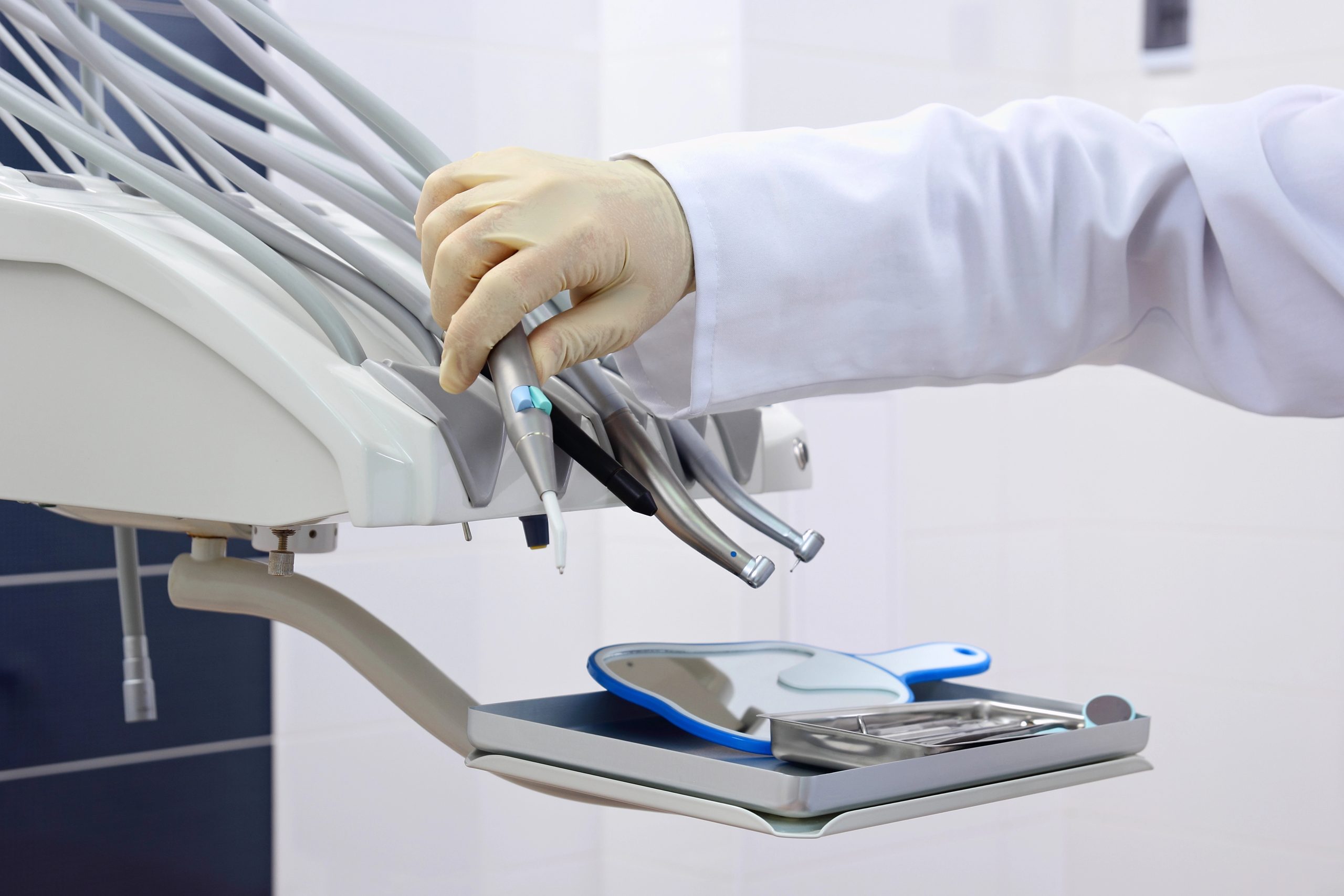
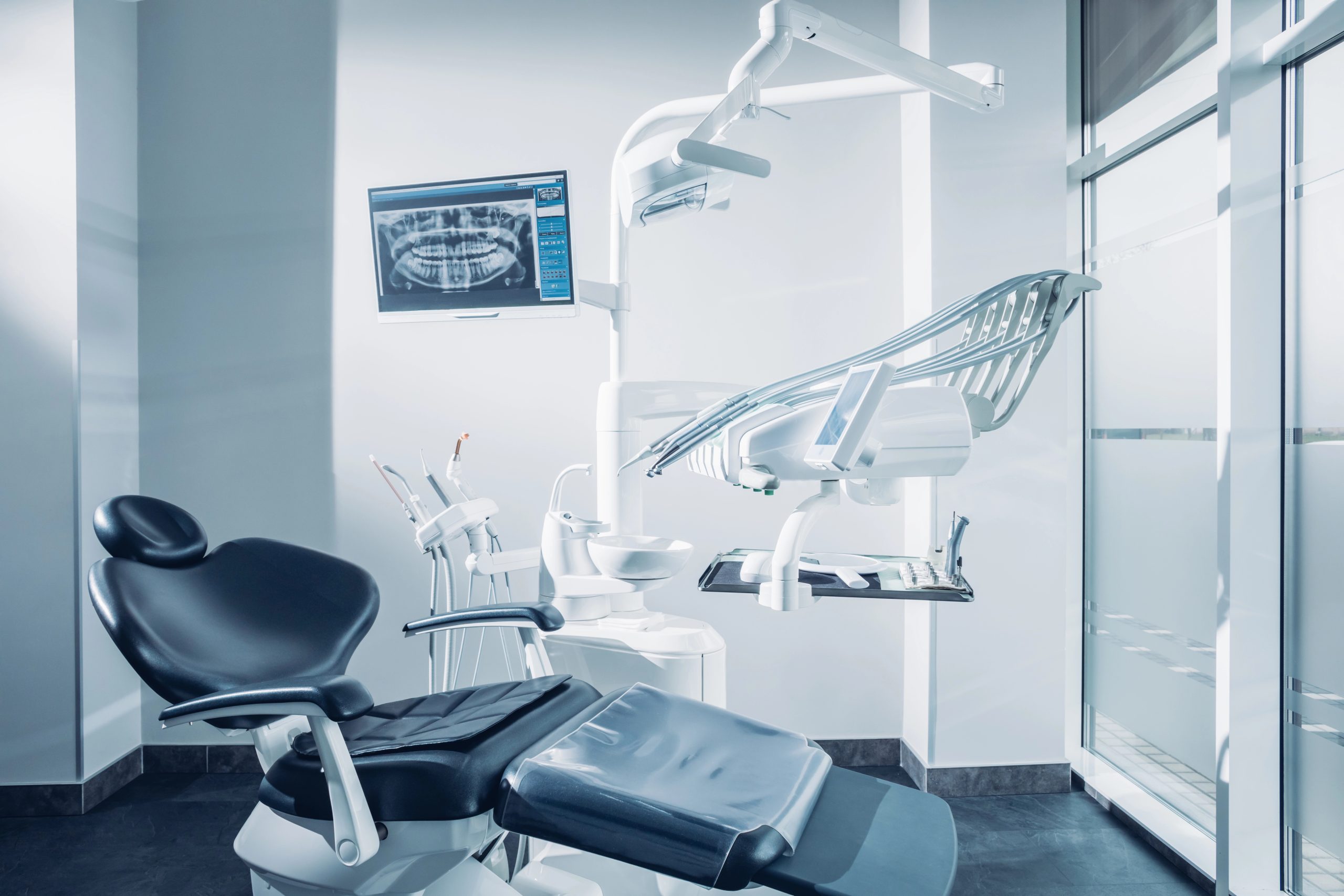
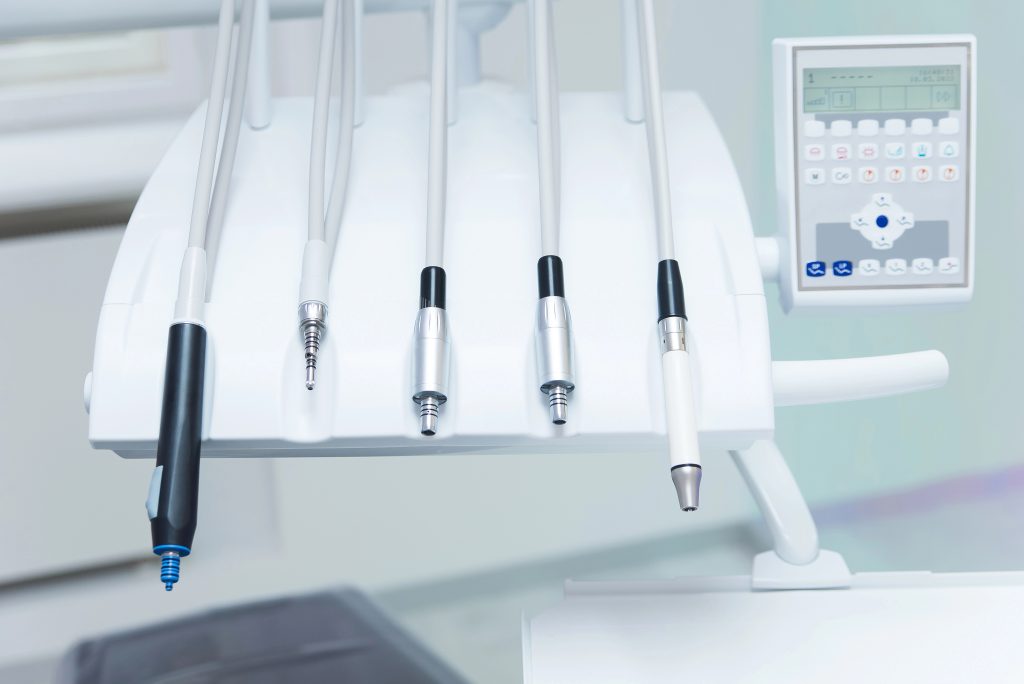
This is the most common class for dental equipment. Dental chairs, X-ray machines, autoclaves, delivery units, and most other clinical equipment generally fall under Class 8.
The annual deduction is calculated at 20% of the remaining balance, which means the amount claimed decreases over time as the asset’s value declines.
Class 50 — 55% Rate
Computers, tablets, and practice management software purchased as capital assets typically fall under Class 50.
The higher depreciation rate reflects the relatively short useful life of technology assets.
Class 12 — 100% Rate
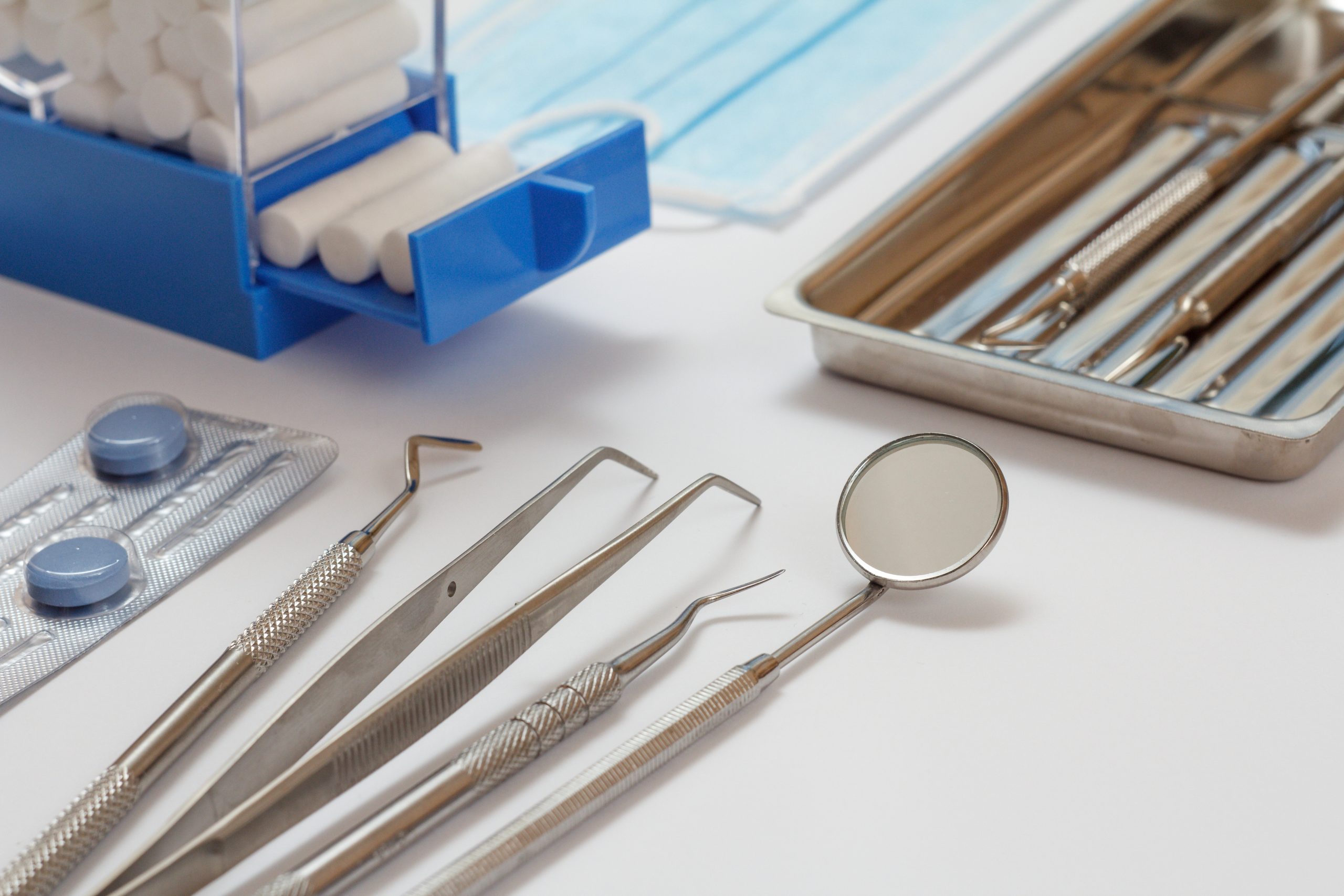
Small tools and instruments costing less than $500 per item may qualify for a full deduction in the year of purchase.
This allows eligible items to be expensed immediately rather than depreciated over time.
The Half-Year Rule: What It Means for Your First-Year Claim
When you purchase eligible dental equipment, the CRA’s half-year rule generally limits the amount of CCA you can claim in the first year. In most cases, only half of the normal depreciation deduction is available, regardless of when the asset is purchased during the year.
For example, if you purchase a $40,000 dental chair that falls under Class 8, your first-year deduction would be lower than the standard annual rate because of the half-year rule.
While this may delay some tax savings, the remaining balance remains available for future CCA claims.

The Accelerated Investment Incentive: Double Your First-Year Deduction
The Accelerated Investment Incentive (AII) was introduced to encourage Canadian businesses to invest in capital assets.
For eligible property acquired after November 20, 2018, and available for use before 2028, the AII effectively removes the impact of the half-year rule and allows a larger deduction in the year the asset is purchased.
Using the same dental chair example, the first-year deduction could be significantly higher under the AII than under the standard CCA rules. This can provide meaningful tax relief during years when major equipment investments are made.
It’s important to note that the AII does not increase the total amount you can deduct over the life of the asset. Instead, it allows you to claim more of that deduction sooner.
The incentive is currently being phased out for property that becomes available for use between 2024 and 2027 and is scheduled to end after 2027.
Strategic CCA Planning for Dental Practice Owners
CCA is discretionary, meaning you can choose how much of the available deduction to claim each year.
In higher-income years, maximizing your CCA claim may help reduce taxable income. If income is lower, deferring some of the deductions could provide greater tax savings in the future.
It’s also important to track your Undepreciated Capital Cost (UCC), which represents the remaining balance in each CCA class. If equipment is sold for more than its remaining UCC value, a portion of the gain may be taxed as recaptured depreciation.
Most dental equipment falls under Class 8 and is grouped within the same asset pool, so selling a single asset will not usually trigger recapture on its own.
Finally, while the half-year rule applies regardless of purchase date, planning equipment purchases in advance can help ensure eligibility for available tax incentives.
Leasing vs. Buying: A Quick Tax Note
Lease payments for dental equipment are generally deductible as current business expenses.
This can simplify tax reporting and may be attractive for technology assets that become obsolete more quickly, such as digital imaging systems or CAD/CAM equipment.
Purchased equipment, however, becomes a capital asset and is deducted through CCA over time.
For long-term assets such as dental chairs and delivery units, purchasing may offer greater value, particularly while accelerated depreciation incentives remain available.
The best option depends on your practice’s cash flow, financing arrangements, and overall tax position.

Dental Tax: Equipment Deductions Done Right
At Dental Tax, we work exclusively with dental professionals across Canada.
We understand the tax considerations associated with equipment purchases, practice growth, and capital investments, and we help dentists structure these decisions in a tax-efficient manner.
Whether you’re outfitting a new operatory, upgrading imaging technology, or planning a larger expansion, our team can help ensure your tax strategy supports your long-term goals.
Ready to discuss your next equipment purchase? Contact Dental Tax today to learn how strategic tax planning can help maximize the value of your investment.