

Moving from associate to practice owner represents one of the biggest financial decisions in your dental career. You’ll need more than clinical skills to succeed — you need a solid financial foundation and strategic planning. This roadmap helps you navigate the transition with confidence, covering everything from initial preparation to post-purchase financial management.
Assess Your Financial Readiness Before Buying
Your personal finances determine your purchasing power and loan qualification. Start by reviewing your overall debt obligations, as lenders will evaluate your ability to service both personal and practice debt. While traditional mortgage lending focuses on debt-to-income ratios, practice acquisition lenders prioritize your projected debt service coverage ratio — the practice’s ability to generate sufficient cash flow to cover loan payments.
Build your credit score to 700 or higher to secure favourable loan terms. Pay down high-interest debt, particularly credit cards and personal loans that won’t contribute to practice growth. Your financial profile directly impacts your interest rates and down payment requirements.
Create a personal emergency fund covering six months of living expenses separate from practice funds. This buffer protects you during the transition period when practice cash flow might be unpredictable. You don’t want personal financial stress affecting your clinical decisions or practice operations.
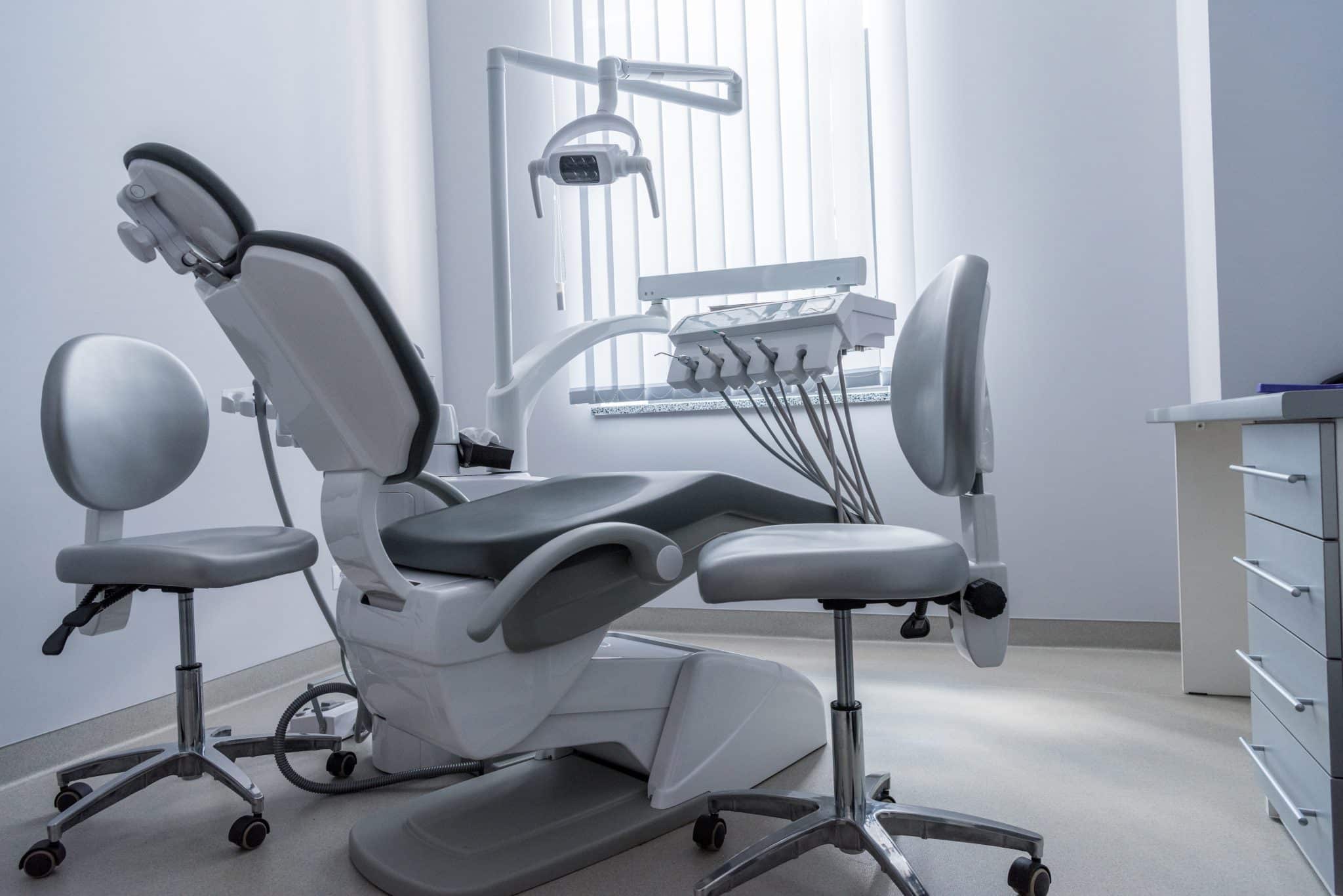
Understand Practice Valuation and Purchase Structures
Most dental practices sell for 70–80% of gross annual revenue, though valuations vary significantly based on location, patient demographics, equipment condition, and practice profitability. Request three years of financial statements, tax returns, and patient retention data during due diligence. These documents reveal the practice’s true financial health beyond what appears on surface-level assessments.
Consider different purchase structures to optimize your financial position. Asset purchases typically offer better tax advantages than share purchases, allowing you to claim capital cost allowance on equipment and create immediate tax deductions. However, professional corporations in some provinces may require share purchases depending on regulatory requirements and the seller’s practice structure.
Negotiate seller financing when possible. Having the previous owner hold 10–20% of the purchase price demonstrates their confidence in the practice’s stability and reduces your initial bank financing needs. This arrangement also creates a smoother transition period with built-in mentorship.
Secure Appropriate Financing Options
Canadian banks offer specialized dental practice acquisition loans with competitive rates for qualified borrowers. These loans typically require a 10-20% down payment and offer amortization periods up to 15 years. Shop multiple lenders to compare terms — even a 0.25% interest rate difference significantly impacts your total repayment amount over the loan’s lifetime.
Explore professional association financing programs through organizations like the Canadian Dental Association. These programs often provide favourable terms specifically designed for practice transitions. Some lenders may offer reduced documentation requirements or more flexible terms for well-qualified buyers with strong credit profiles and solid business plans.
Factor in working capital requirements beyond the purchase price. You’ll need additional funds for potential renovations, equipment upgrades, and operating expenses during the transition period. Budget at least $50,000–$100,000 for these costs, depending on practice size and condition, ensuring you maintain adequate cash reserves.
Plan Your Tax Strategy from Day One
Structure your practice as a professional corporation to maximize tax advantages available to incorporated dental practices in Canada. Professional corporations allow income splitting with family members (subject to current tax on split income rules) and access to the small business deduction, reducing your effective tax rate on the first $500,000 of active business income.
Understand capital cost allowance rules for dental equipment. You can claim accelerated depreciation on eligible equipment purchases, creating tax deductions that improve cash flow during your first years of ownership. Class 8 assets (dental chairs, sterilizers, computers) depreciate at 20% annually using the declining balance method, while Class 12 assets (instruments, small tools under $500) depreciate at 100%, allowing full deduction in the year of purchase.
Separate your compensation between salary and dividends strategically. Paying yourself a reasonable salary creates RRSP contribution room and CPP credits, while dividends offer tax-efficient income distribution through the dividend tax credit. Your accountant should model different compensation scenarios based on your specific financial situation, provincial tax rates, and personal financial goals.

Monitor Key Financial Metrics After Purchase
Track your overhead percentage monthly, targeting 60–65% for healthy profitability. This metric reveals whether your expenses align with revenue generation. If overhead exceeds 70%, identify specific cost categories requiring attention before they erode profitability and threaten your debt service obligations.
Maintain a collections ratio above 95–98% to ensure strong cash flow. Unpaid patient accounts tie up working capital you need for operating expenses and debt payments. Implement clear payment policies and follow up on outstanding balances within 30 days to minimize accounts receivable aging.
Review your debt service coverage ratio quarterly. This calculation (net operating income divided by total debt payments) should stay above 1.25, indicating sufficient cash flow to cover loan obligations comfortably. Lenders typically require 1.20–1.25, and maintaining higher ratios provides a financial cushion during slower periods or unexpected expenses.
Partner with Specialized Dental Accountants
Transitioning from associate to owner involves complex financial decisions that impact your long-term success. Dental Tax specializes in helping Canadian dentists navigate practice acquisitions with confidence. Our team understands the unique financial challenges of practice transitions and provides strategic guidance tailored to your specific situation. Contact us today to develop your personalized financial roadmap for practice ownership.

Adam has an MBA from the Richard Ivey School of Business in London and also holds a Chartered Investment Manager designation.
- Dental Associate to Owner: Financial Roadmap for Practice Transitions - February 26, 2026
- Maximizing RRSP Contributions for Dental Professionals - February 19, 2026
- Tax Return Preparation Guide for Dental Professionals - January 19, 2026