
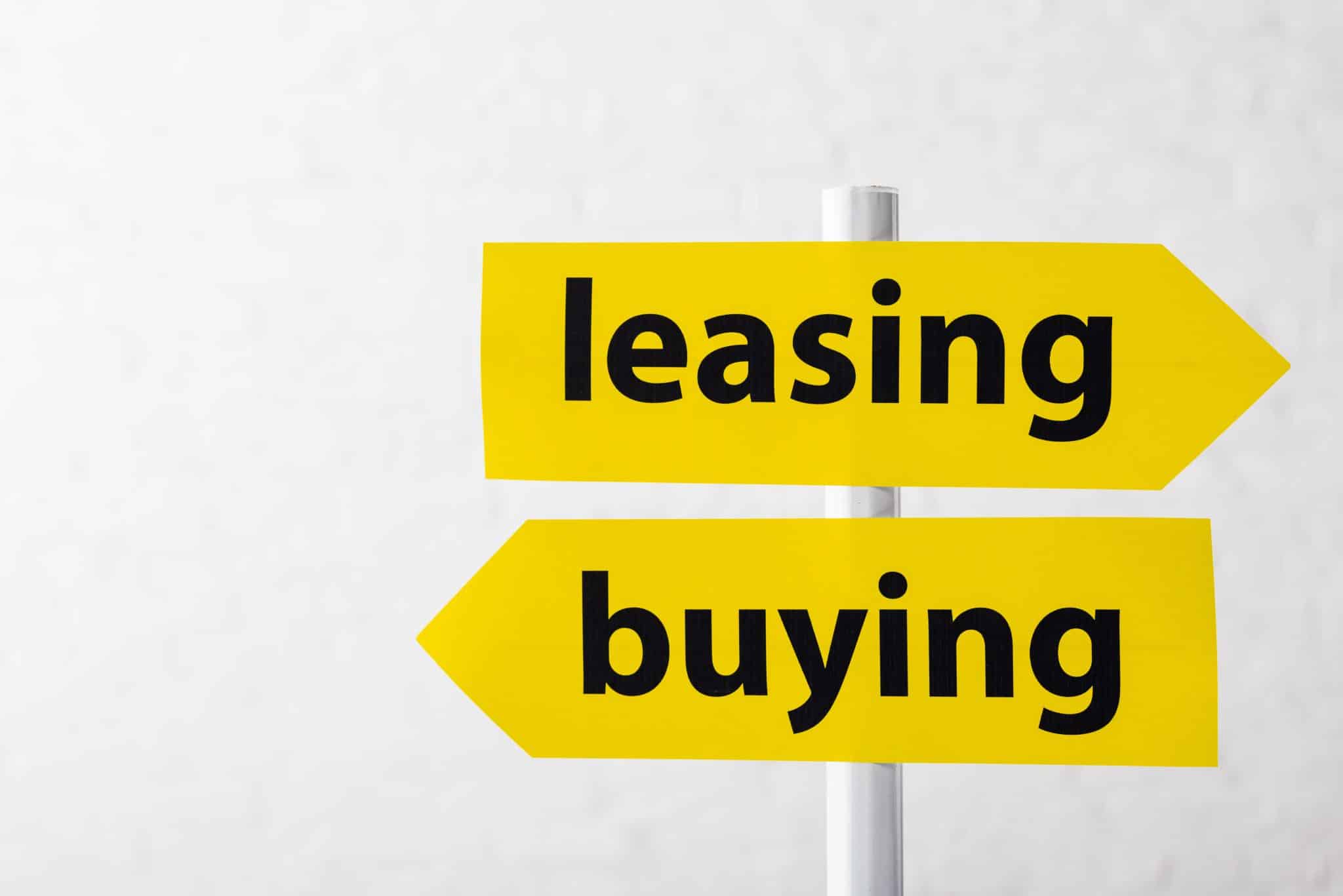
Choosing between leasing and buying your dental office space is one of the most significant financial decisions you’ll make as a practice owner. The debate around dental office lease vs. purchase goes beyond monthly payments — it affects your long-term wealth, tax strategy, and practice flexibility. Understanding real estate practice options helps you make an informed choice that aligns with your financial goals and professional vision.
Understanding the True Cost of Leasing Your Dental Space
When you lease your dental office, you’re paying for flexibility and lower upfront costs. Your initial investment typically includes first and last month’s rent, security deposits, and leasehold improvements. This approach preserves your capital for equipment, technology, and working capital needs.
Leasing offers predictable monthly expenses that simplify budgeting. You can deduct 100% of your lease payments as a business expense, reducing your taxable income. This tax benefit provides immediate cash flow advantages, especially in your practice’s early years when every dollar counts.
However, leasing means you’re building equity for your landlord, not yourself. Annual rent increases typically 2–4%, eroding your purchasing power over time. You’re also subject to lease terms that may restrict renovations, limit signage, or prevent assignment if you decide to sell your practice. These limitations can impact your practice’s marketability and transition value.

The Long-term Benefits of Buying Dental Property
Buying dental property transforms your practice’s real estate from an expense into an investment. When you own your building, you build equity with each mortgage payment. Real estate appreciation in desirable locations can significantly increase your net worth over 15–20 years.
Ownership gives you complete control over your space. You can renovate without landlord approval, optimize your layout for efficiency, and create the patient experience you envision. This autonomy becomes especially valuable as dental technology evolves and space requirements change.
The tax advantages of buying dental property are substantial. You can claim capital cost allowance (CCA) on the building, deduct mortgage interest, and claim property tax deductions. When you eventually sell, if the property is held in your professional corporation, you may qualify for the lifetime capital gains exemption on qualifying small business corporation shares — currently $1.25 million per shareholder.
Some dentists create separation between their practice and real estate through strategic structuring. However, this requires careful planning with advisors who understand both dental professional corporation regulations and provincial requirements, as rules vary across Canada regarding what activities your professional corporation can undertake.
Analyzing Your Financial Position and Market Conditions
Your decision between a dental office lease vs purchase depends on several financial factors. Consider your down payment capacity — typically 15–25% for commercial real estate, though specialized dental lenders may offer more favourable terms. A $600,000 property requires $90,000–$150,000 down, plus closing costs and reserves.
Evaluate your debt service coverage ratio. Lenders want to see that your practice generates at least 1.20–1.25 times your proposed mortgage payment. If you’re carrying significant student loans or equipment financing, qualifying for commercial real estate financing becomes more challenging.
Market conditions matter significantly. In appreciating markets with low vacancy rates, buying protects you from escalating rents and potential displacement. In declining areas or markets with high commercial vacancy, leasing offers more flexibility to relocate if neighbourhood demographics shift unfavourably.
Making the Right Choice for Your Practice Stage
Early-career dentists often benefit from leasing while establishing their patient base and refining their practice model. Leasing reduces initial capital requirements and provides flexibility to relocate as you identify your ideal location and patient demographic.
Mid-career practitioners with stable patient bases and strong cash flow are typically best positioned for buying dental property. You’ve proven your market viability and can secure favourable financing terms. Ownership accelerates wealth building during your peak earning years while providing tax planning opportunities through your professional corporation.
Dentists within 10–15 years of retirement should carefully weigh their exit strategy. Owning real estate can complicate practice sales or create valuable transition opportunities, depending on your goals and local market conditions.
Your Path Forward
The dental office lease vs purchase decision shapes your financial trajectory for decades. Leasing offers flexibility and preserves capital, while buying builds equity and provides long-term control. Your choice should align with your financial capacity, practice stage, market conditions, and long-term goals.
Need expert guidance on practice real estate options? The specialized accountants at Dental Tax understand the unique financial considerations facing Canadian dental professionals. Contact us today to analyze your specific situation and make the most strategic real estate decision for your practice’s future.

Adam has an MBA from the Richard Ivey School of Business in London and also holds a Chartered Investment Manager designation.
- Dental Office Lease vs. Purchase: What’s Best for Your Practice? - March 16, 2026
- How to Prepare Your Dental Practice for a CRA Audit - March 2, 2026
- Dental Associate to Owner: Financial Roadmap for Practice Transitions - February 16, 2026