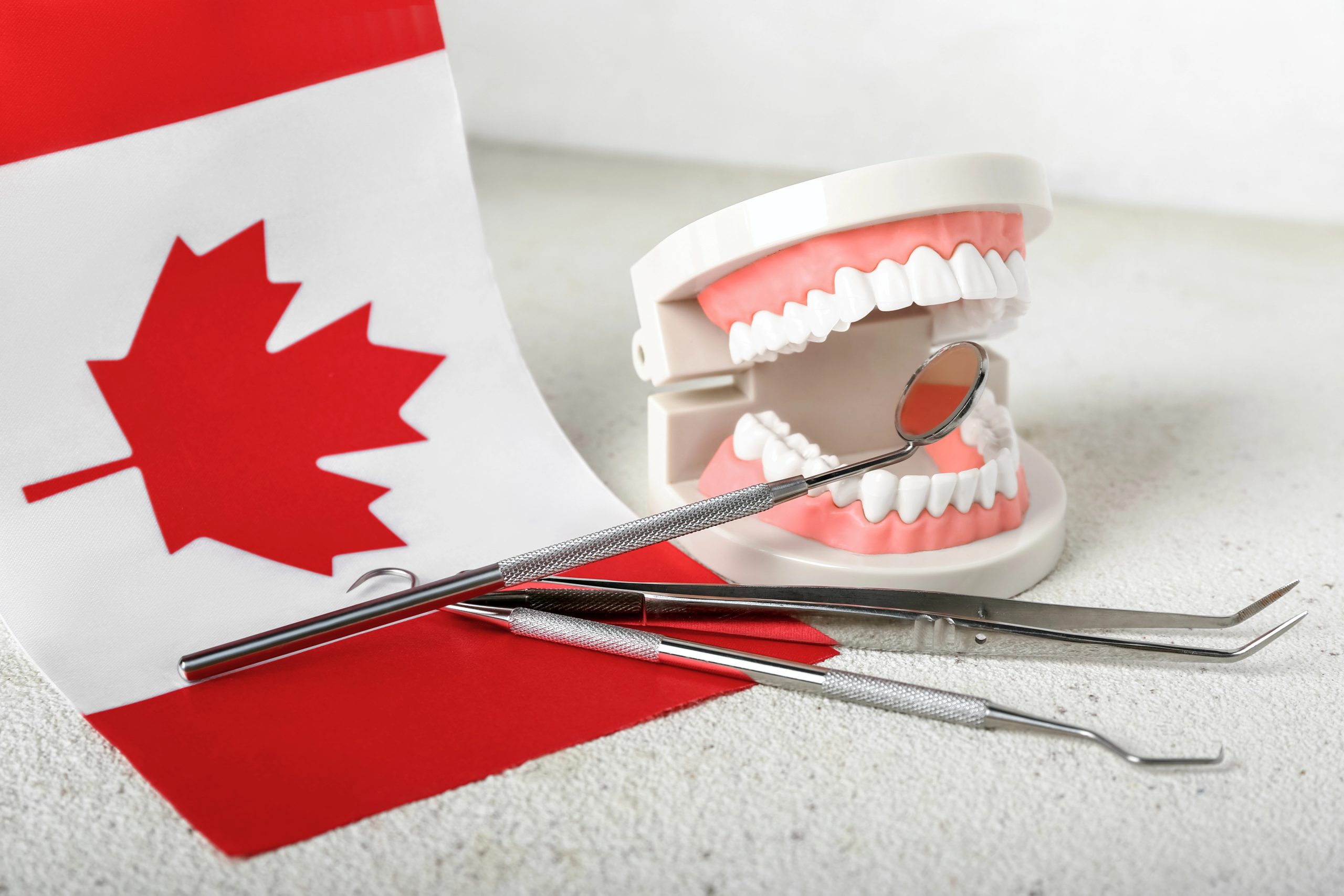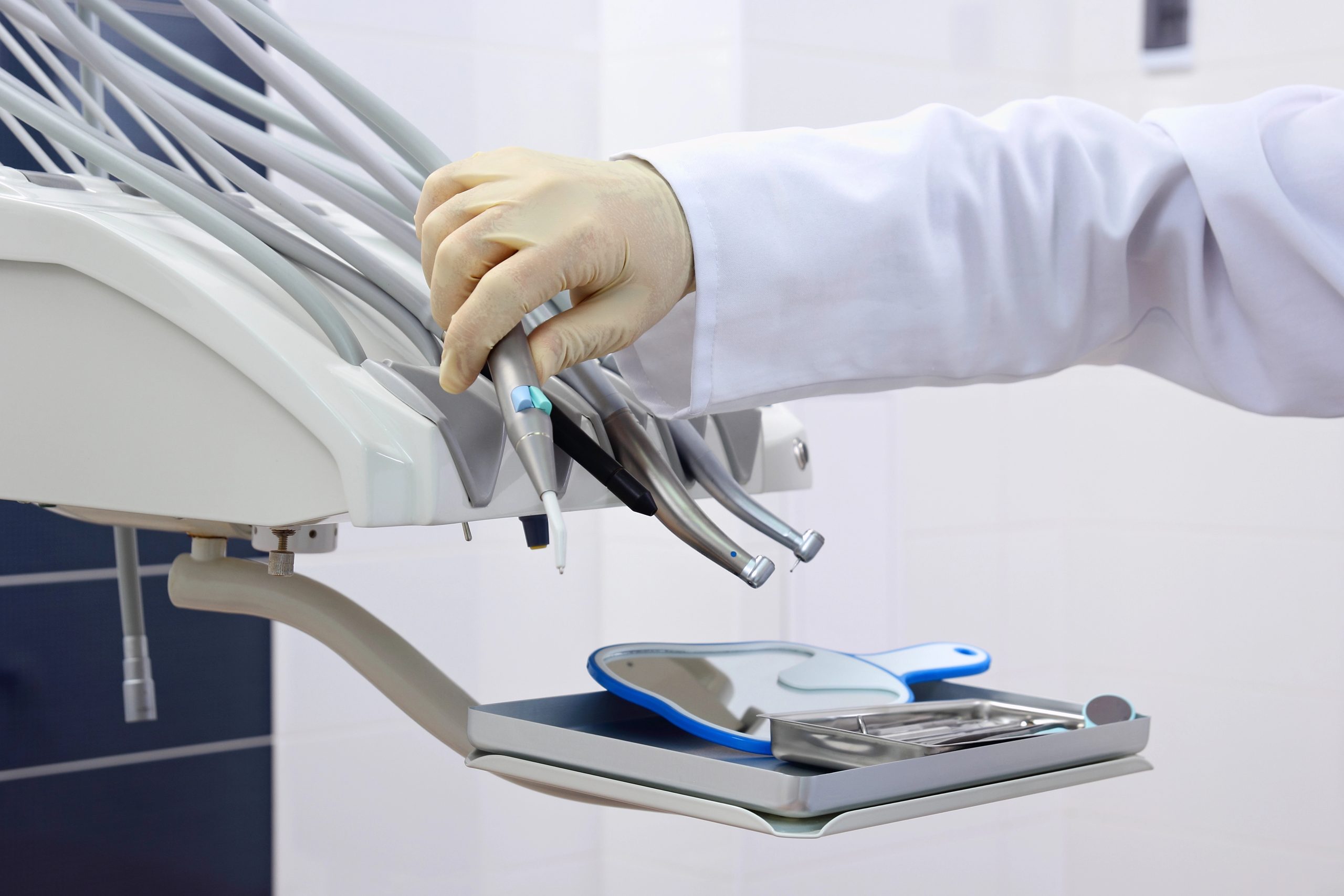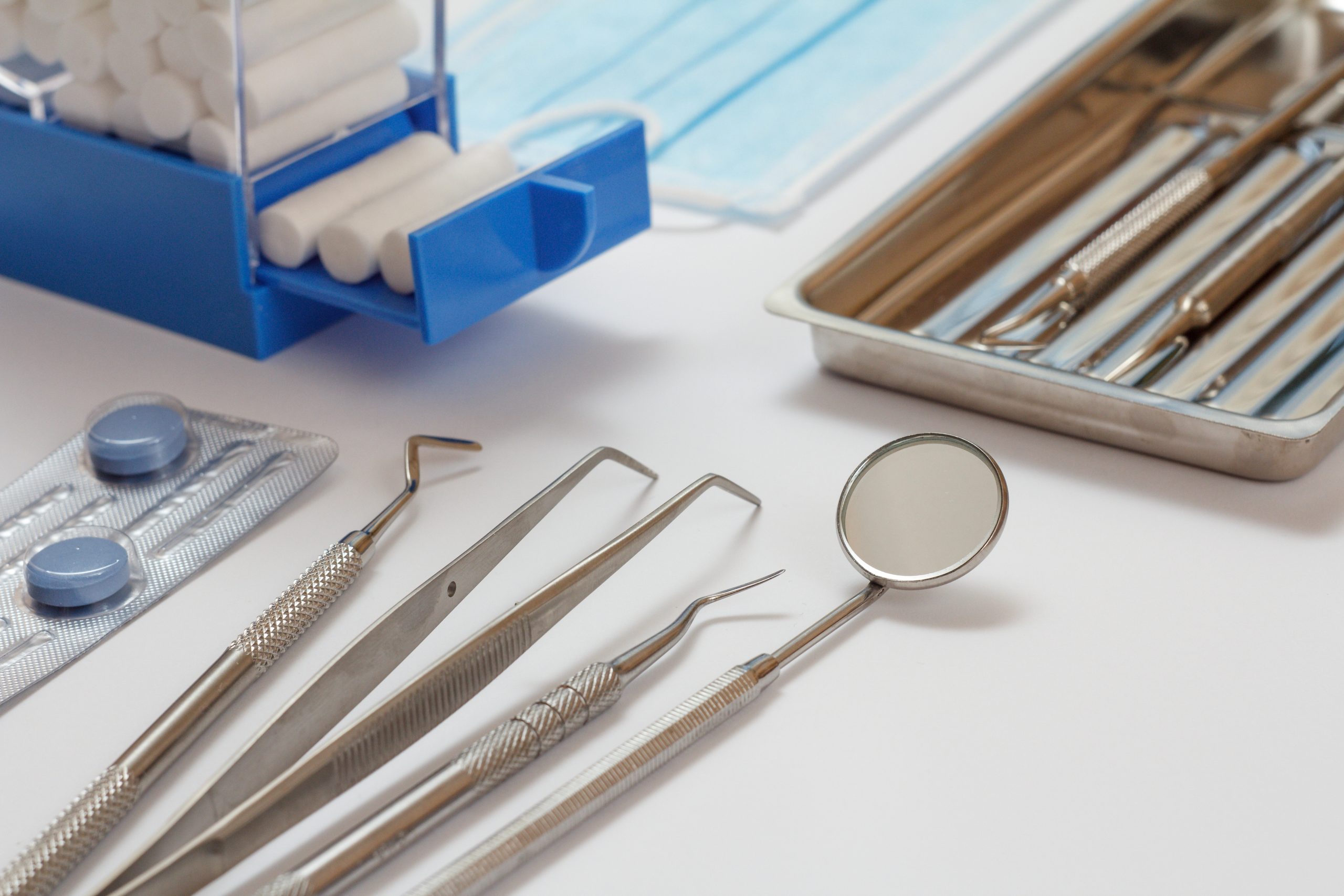
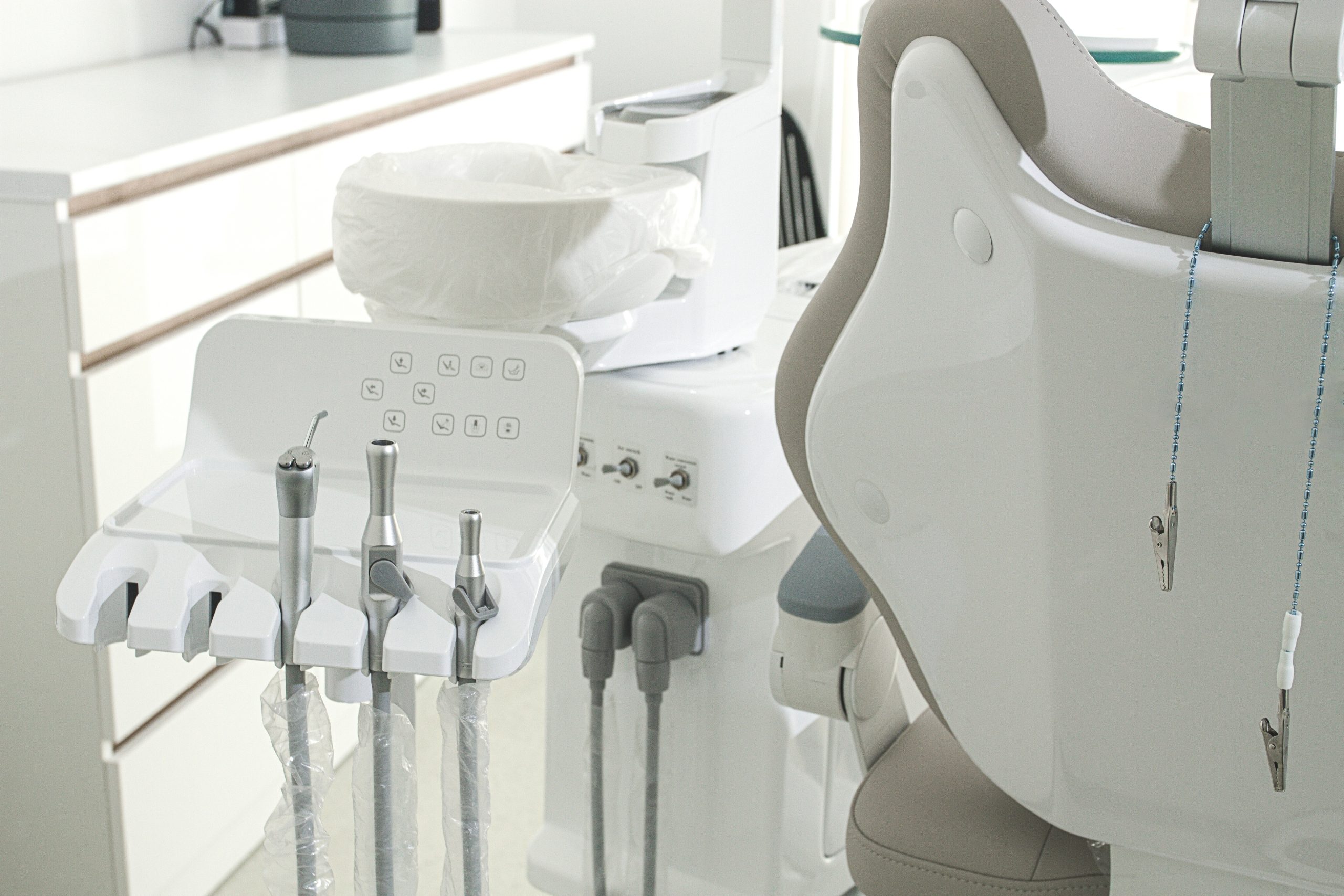
Equipment is one of the largest investments for a dental practice. From digital imaging systems to sterilization units, essential tools come with high costs and how you finance them affects both your tax position and cash flow.
Understanding tax-efficient equipment financing helps you acquire the technology you need while reducing your overall tax burden.
Why Equipment Financing Matters for Your Practice
Modern equipment is essential to stay competitive and deliver quality care. Tools like intraoral scanners, CAD/CAM systems, and digital radiography require a significant investment depending on their capabilities.
Paying upfront can strain working capital and reduce financial flexibility. Financing helps preserve cash flow while spreading costs over time. Different financing structures also offer tax advantages that can lower your overall equipment cost.
The right approach should align with your tax strategy and long-term practice goals.

Capital Cost Allowance and Equipment Depreciation
The Canada Revenue Agency allows equipment costs to be deducted through Capital Cost Allowance (CCA), letting you claim a percentage annually as a business expense.
Most dental equipment falls under CCA Class 8 with a 20% declining balance rate. The Accelerated Investment Incentive (AII) enhanced first-year deductions for eligible property acquired after November 20, 2018.
For qualifying property, a $100,000 purchase could generate a first-year deduction of about $30,000 instead of $10,000 under standard rules.
The AII is being phased out, though the 2024 Fall Economic Statement proposed reinstating full benefits for property acquired after January 1, 2025 and available for use before 2030, followed by a gradual phase-out.
Timing purchases around these rules can maximize tax savings. Keep all documentation for at least six years to meet CRA requirements.
Equipment Loans: Ownership with Tax Benefits
Equipment loans let you borrow money to purchase equipment outright. You own the asset immediately and claim CCA deductions from day one. The loan’s interest payments are fully tax-deductible as a business expense.
This financing method works well when you want to maximize depreciation deductions and eventually own equipment with long useful lives. High-value items like cone beam CT scanners or practice management software systems make sense for equipment loans.
Your total deductions include both the annual CCA claim and the interest portion of your loan payments. This dual benefit can significantly reduce your taxable income during the loan term.
The ownership structure also means any resale value eventually belongs to your practice.
Equipment Leasing: Operating vs. Capital Leases
Leasing offers two main structures with different tax implications. Operating leases function like rentals, with full monthly payments deductible as business expenses. This often provides higher early-year deductions and simpler reporting.
Capital (finance) leases resemble ownership for accounting purposes, but lease payments are generally still fully deductible for tax purposes.
Operating leases suit equipment you’ll upgrade frequently, such as digital imaging systems. Capital leases are better for long-term use, even if ownership is not immediate.
Weighing Lease vs. Purchase Decisions
Your choice between leasing and purchasing depends on several factors beyond tax considerations. Equipment you’ll replace within 3–5 years often makes more sense to lease. Technology that becomes outdated quickly — like digital imaging systems — fits this category.
Equipment with 10+ year lifespans and slower technology turnover typically favours purchasing. Sterilization equipment, cabinetry, and basic operatory chairs fall into this group.
Consider your cash flow needs as well. Leasing requires lower upfront costs but results in higher total payments over time. Purchasing demands more initial capital but costs less overall and builds equity in your practice.
Your current tax bracket also matters. If you’re in a high tax bracket and expect lower income in future years, maximizing current-year deductions through accelerated CCA (if still available when you purchase) or leasing provides greater tax savings.
Timing Equipment Acquisitions for Tax Planning
Strategic timing can enhance your equipment financing tax benefits. The key date for CCA purposes is when equipment becomes “available for use” — not just when you pay for it or when it arrives. Equipment must be installed, operational, and ready to generate income.
If you’re planning a major equipment purchase and the Accelerated Investment Incentive is still available, coordinate with your accountant to ensure the equipment becomes available for use during an eligible period. Equipment that arrives in December but isn’t commissioned until February may miss the current year’s deduction entirely.
For leases, you can deduct only the lease payments actually made during your fiscal year, so mid-year acquisitions provide partial first-year deductions.
The half-year rule traditionally limited first-year CCA to half the normal rate. The Accelerated Investment Incentive temporarily eliminated this rule for eligible property, though benefits are now being phased out. Understanding current rules helps you time purchases for optimal tax results.
Tax-Smart Equipment Financing Builds Practice Value
Tax-efficient equipment financing requires balancing immediate tax benefits with long-term practice building. The right approach depends on your equipment type, replacement timeline, cash flow situation, and tax planning goals.
Work with dental-specialized accountants who understand CCA classes, current AII rules and phase-out schedules, lease classifications, and timing strategies specific to your practice. They’ll help you structure equipment acquisitions that minimize taxes while supporting your clinical and business objectives.
Smart equipment financing doesn’t just save you money — it positions your practice for sustainable growth with the tools you need to deliver excellent patient care.

Optimize Your Next Equipment Investment with Dental Tax
Dental Tax specializes in helping Canadian dental professionals navigate complex equipment financing decisions. Whether you’re weighing a major technology investment or planning your practice’s equipment replacement strategy, our team understands the unique financial landscape of dental practice ownership. We work exclusively with dentists, associates, and practice owners across Canada, bringing deep expertise in dental-specific tax planning and equipment acquisition strategies.
Ready to optimize your next equipment purchase? Connect with Dental Tax to explore how the right financing structure can strengthen both your tax position and your practice’s future.