
GST/HST for Dental Practices: What’s Taxable in Canada
You don’t charge GST/HST on most dental services, but understanding which services are exempt and which are taxable can help

You don’t charge GST/HST on most dental services, but understanding which services are exempt and which are taxable can help

Managing overhead in a dental practice plays a direct role in long-term profitability and financial stability. Your overhead ratio (the

If you’ve incorporated your dental practice, you may have heard about adding a holding company (holdco) to your corporate structure.

Every dental chair, X-ray machine, and autoclave in a practice represents more than a clinical necessity, it also plays a

Retirement planning evolves throughout your dental career. Decisions in your 30s build the foundation, while your 50s and 60s focus
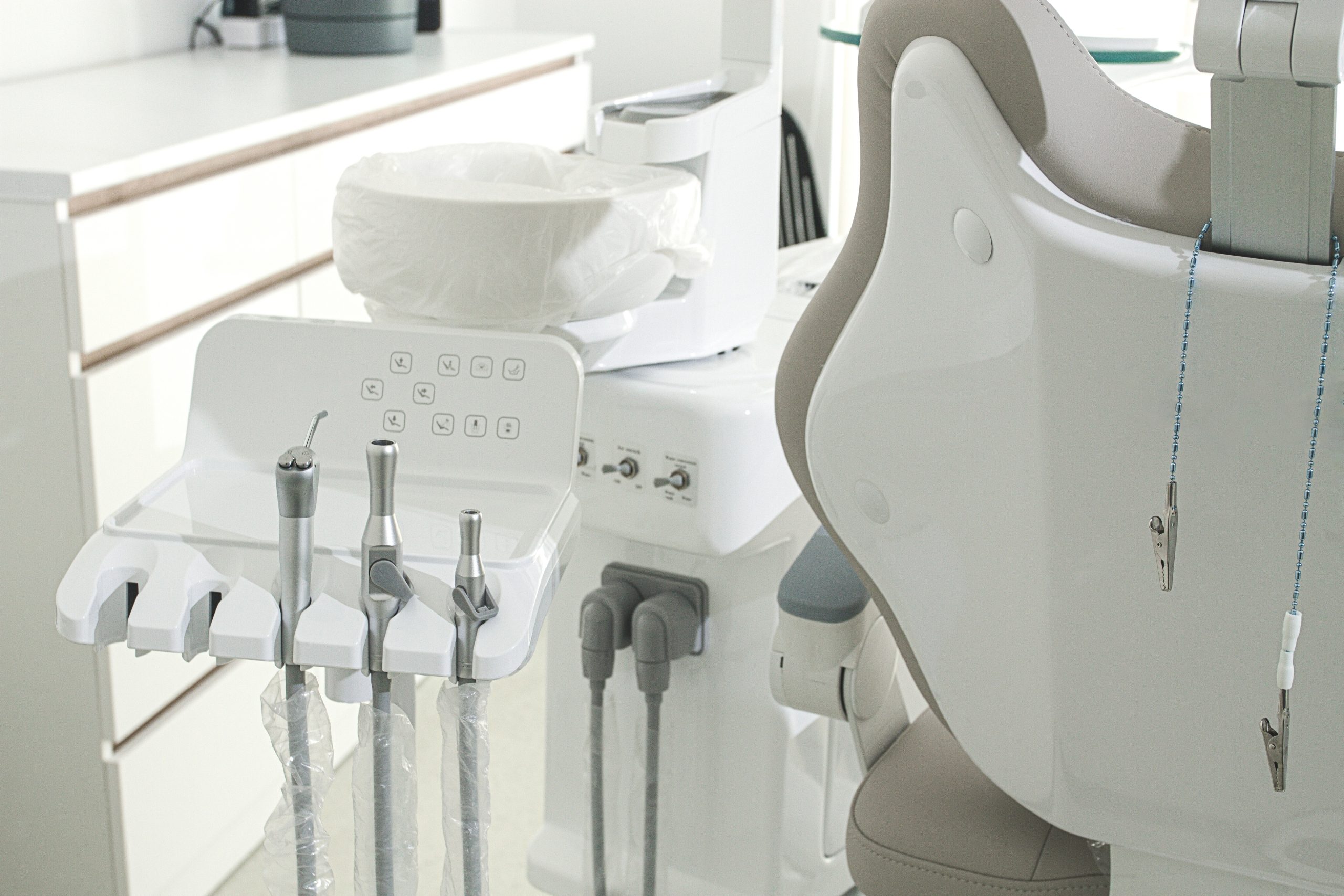
Equipment is one of the largest investments for a dental practice. From digital imaging systems to sterilization units, essential tools come with high costs and how you finance them affects both your tax position and cash flow.

Choosing between leasing and buying your dental office space is one of the most significant financial decisions you’ll make as a practice owner. The debate around dental office lease vs. purchase goes beyond monthly payments — it affects your long-term wealth, tax strategy, and practice flexibility. Understanding real estate practice options helps you make an informed choice that aligns with your financial goals and professional vision.

When the Canada Revenue Agency (CRA) selects your dental practice for review, you need to respond quickly and thoroughly. A dental practice CRA audit can feel overwhelming, but proper preparation helps you navigate the process with confidence. Understanding what triggers audits and how to organize your records protects your practice and minimizes disruption to your daily operations.

Moving from associate to practice owner represents one of the biggest financial decisions in your dental career. You’ll need more than clinical skills to succeed — you need a solid financial foundation and strategic planning. This roadmap helps you navigate the transition with confidence, covering everything from initial preparation to post-purchase financial management.

As a Canadian dental professional, you have unique opportunities to build retirement wealth through RRSPs. Understanding how to maximize these contributions while balancing your practice’s cash flow can significantly impact your long-term financial security. Whether you operate as a sole proprietor or through a professional corporation, strategic RRSP planning helps you reduce taxes today while building tomorrow’s retirement income.

Tax season brings unique challenges when you run a dental practice. Between managing patient care and overseeing your business operations, preparing your tax return can feel overwhelming. This guide breaks down the essential steps to streamline your tax preparation process, maximize deductions, and ensure compliance with Canadian tax regulations.
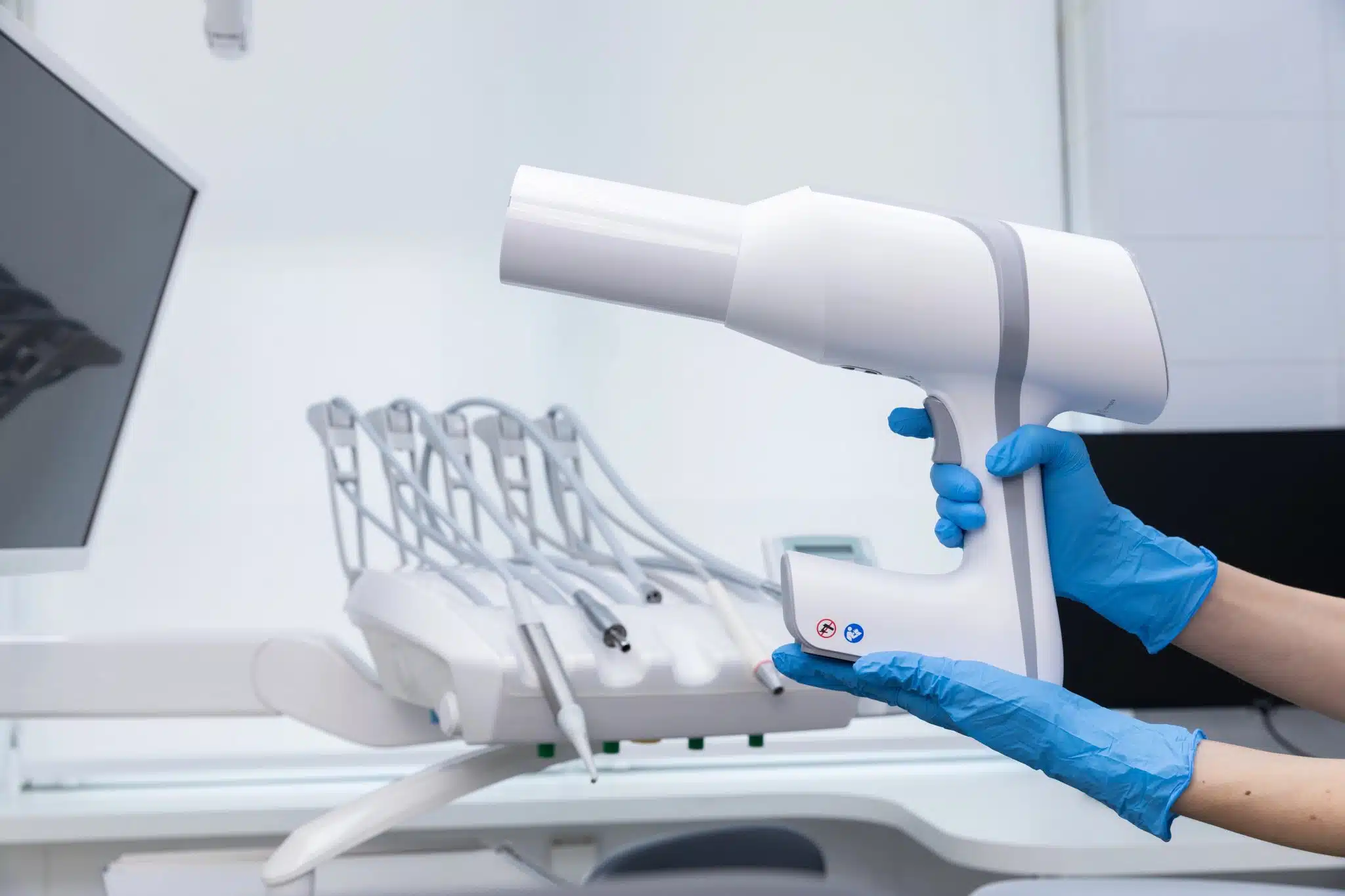
As we move into a new year, successful dental practices across Canada are reviewing their early-year performance and planning ahead. Whether you’re building on revenue gains or adjusting after unexpected challenges, these proven financial lessons can help you strengthen your practice and set yourself up for a successful year.
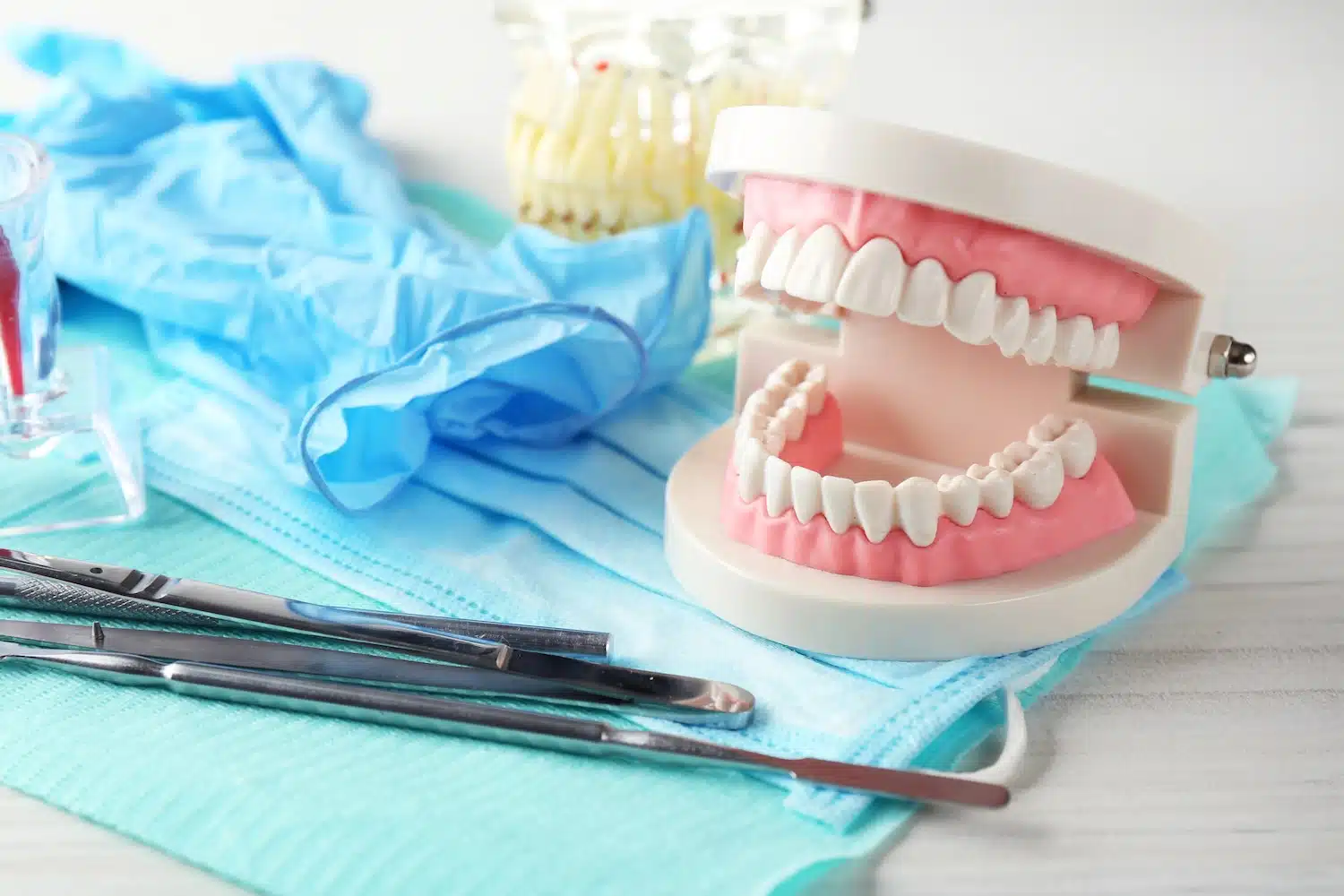
The 2026 tax year introduces several key adjustments that could meaningfully influence the financial performance of your dental practice. From capital gains and corporate tax planning to equipment depreciation and payroll obligations, these updates affect how you invest, compensate yourself, and plan for long-term growth. Understanding the changes ahead gives you the advantage — allowing you to make strategic decisions, protect profitability, and stay ahead of potential tax pressures.

Running a successful dental practice requires more than clinical excellence — it demands financial awareness. You need clear visibility into your practice’s performance to make informed decisions, spot problems early, and identify growth opportunities.

For Canadian dentists transitioning from associate to practice owner, choosing between purchasing an existing practice or starting fresh represents a critical financial decision. Both paths lead to ownership, but the financial implications, timelines, and risks differ dramatically. Understanding these differences helps you make an informed choice aligned with your goals.